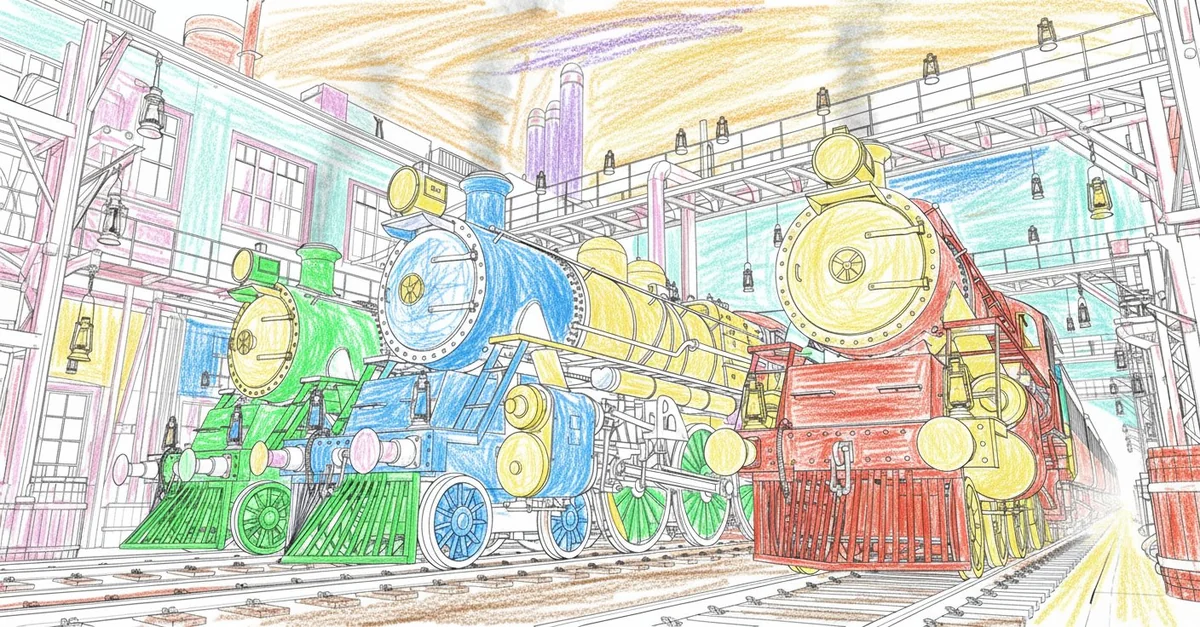
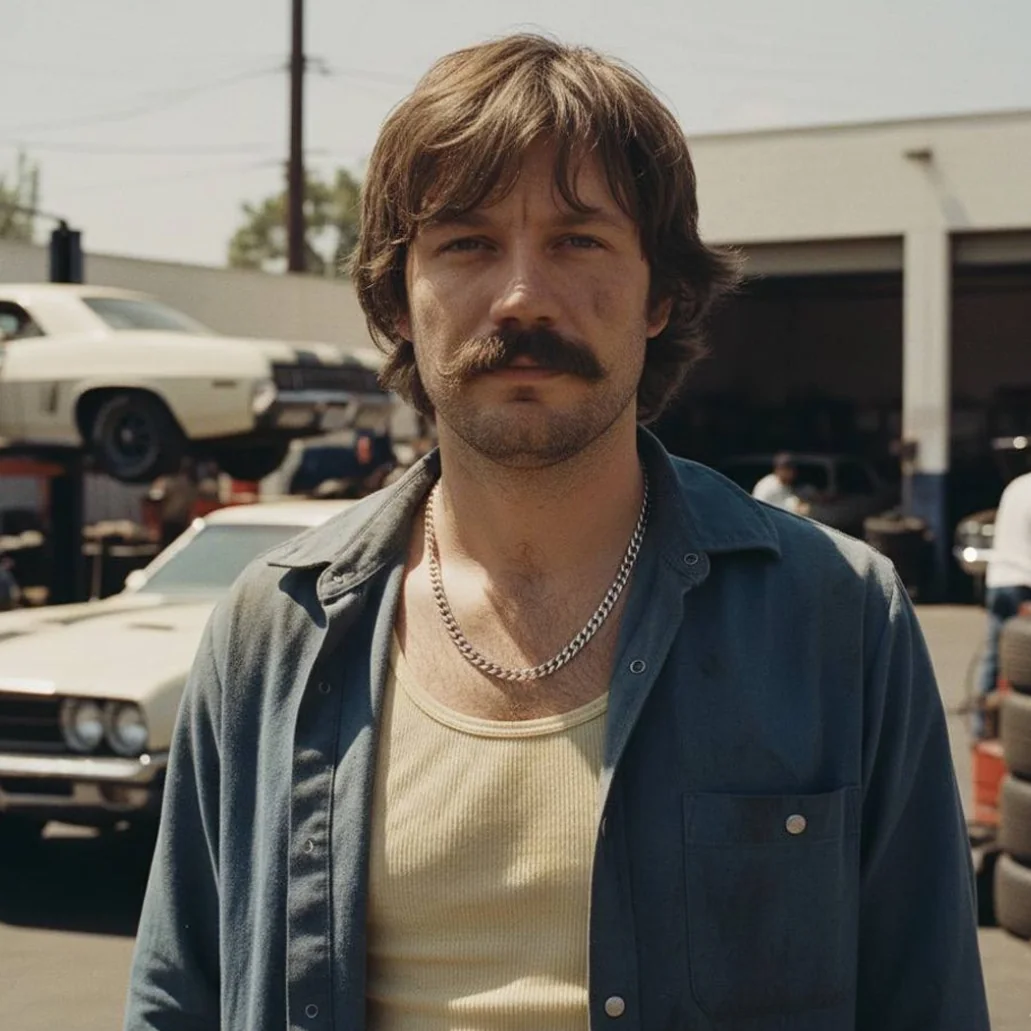
![Raw-iso [100] - [f2 Image](https://resource.bananaprompt.art/images/9_Output.webp)
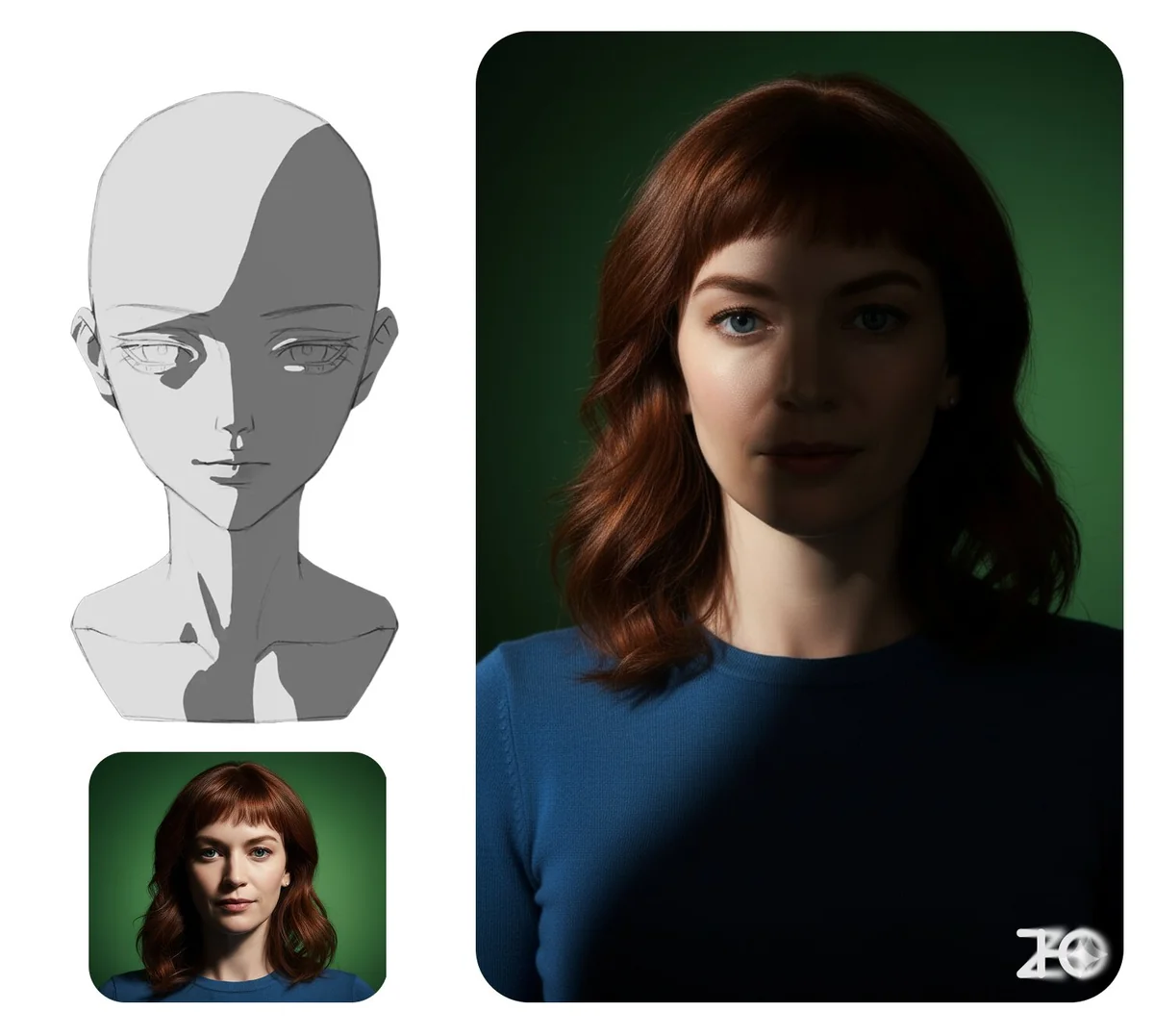
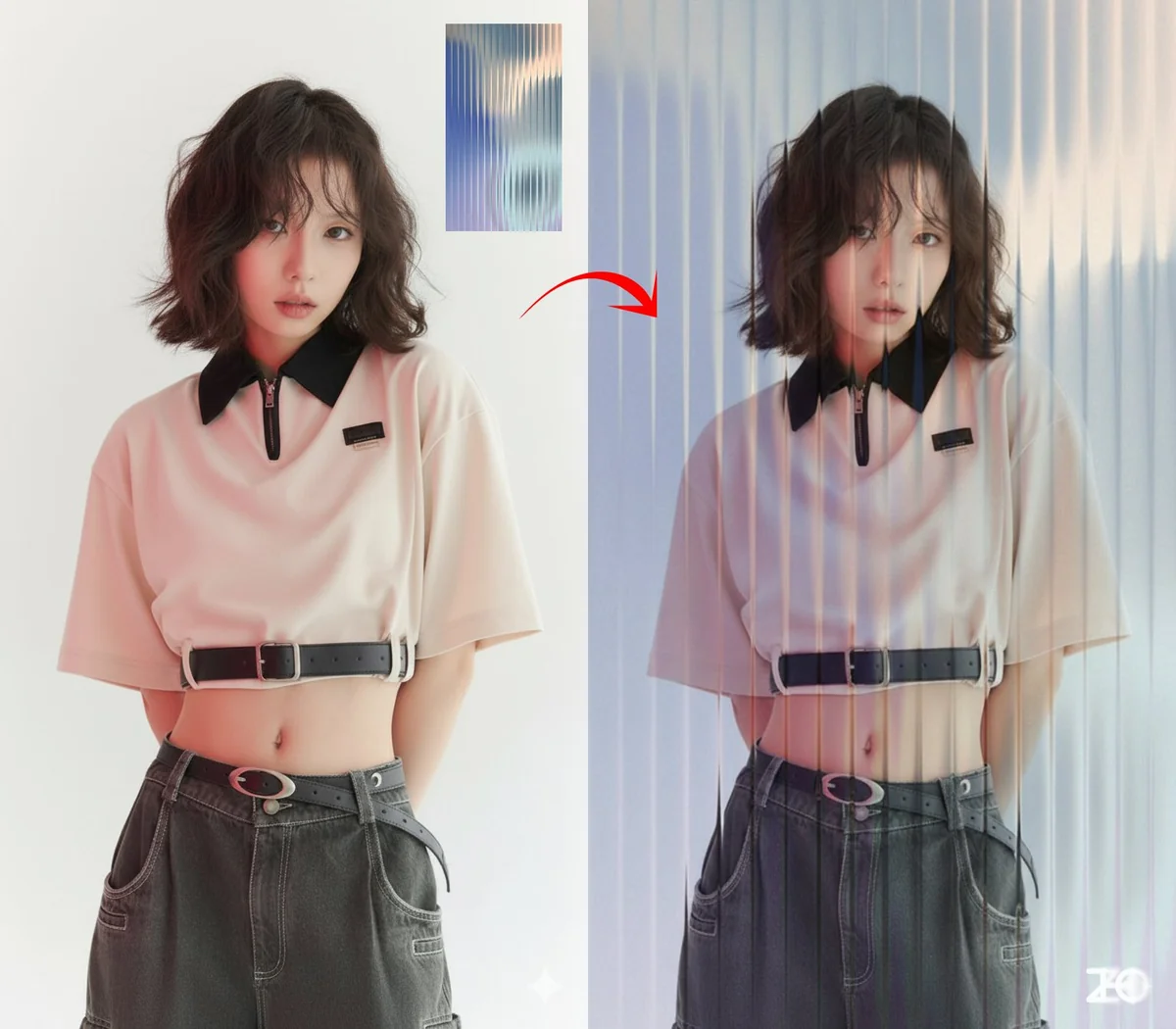
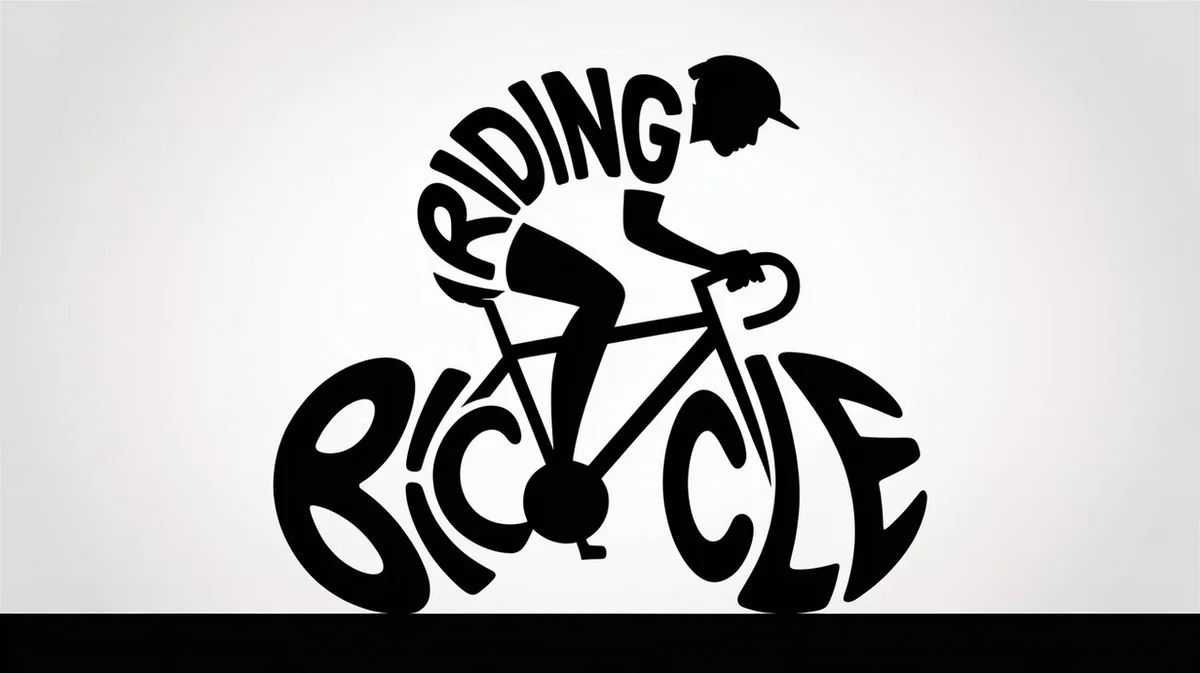
Everything About artistic-style Prompts - What Works and What Doesn't
Real talk about artistic-style prompts
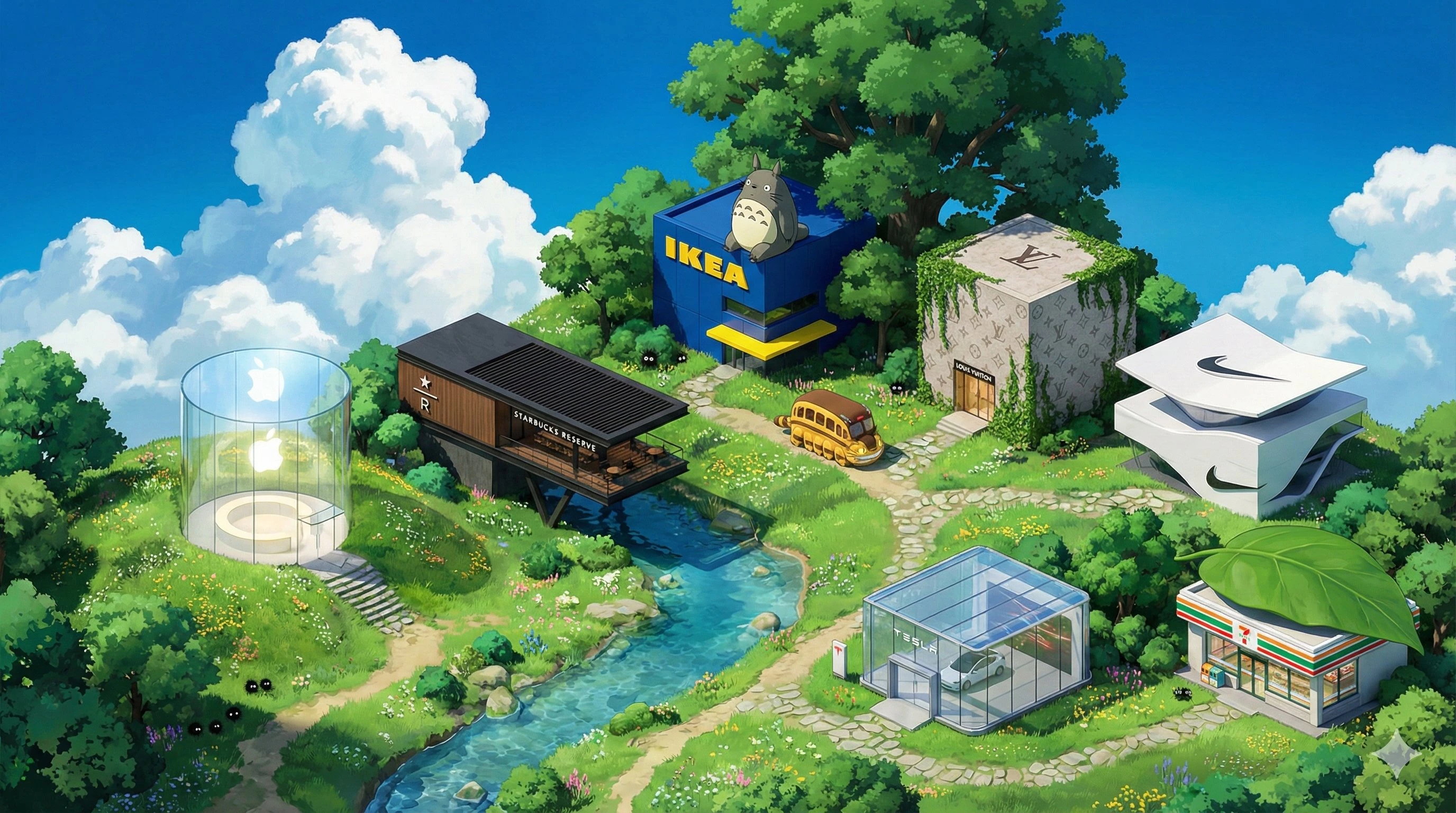
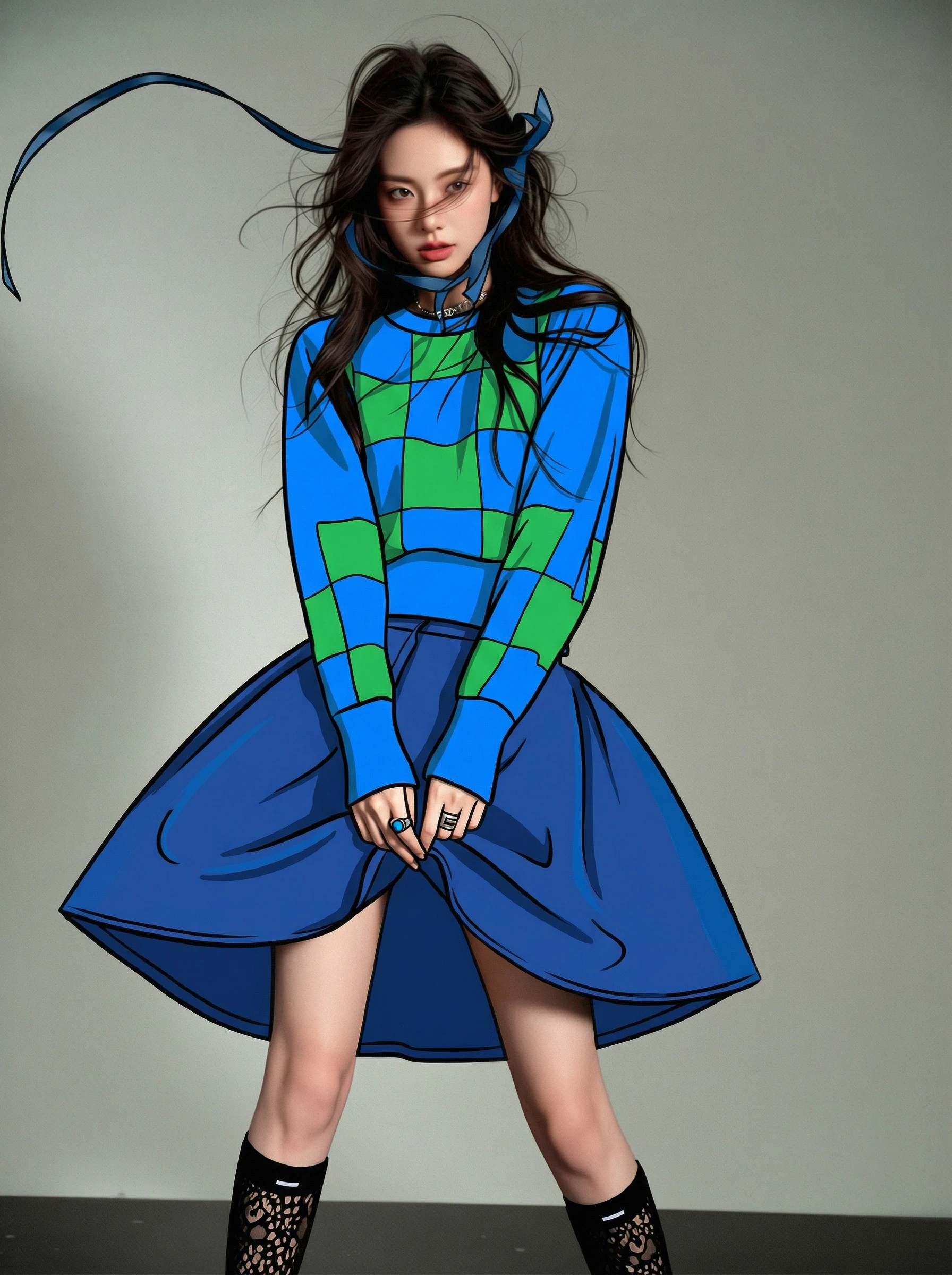
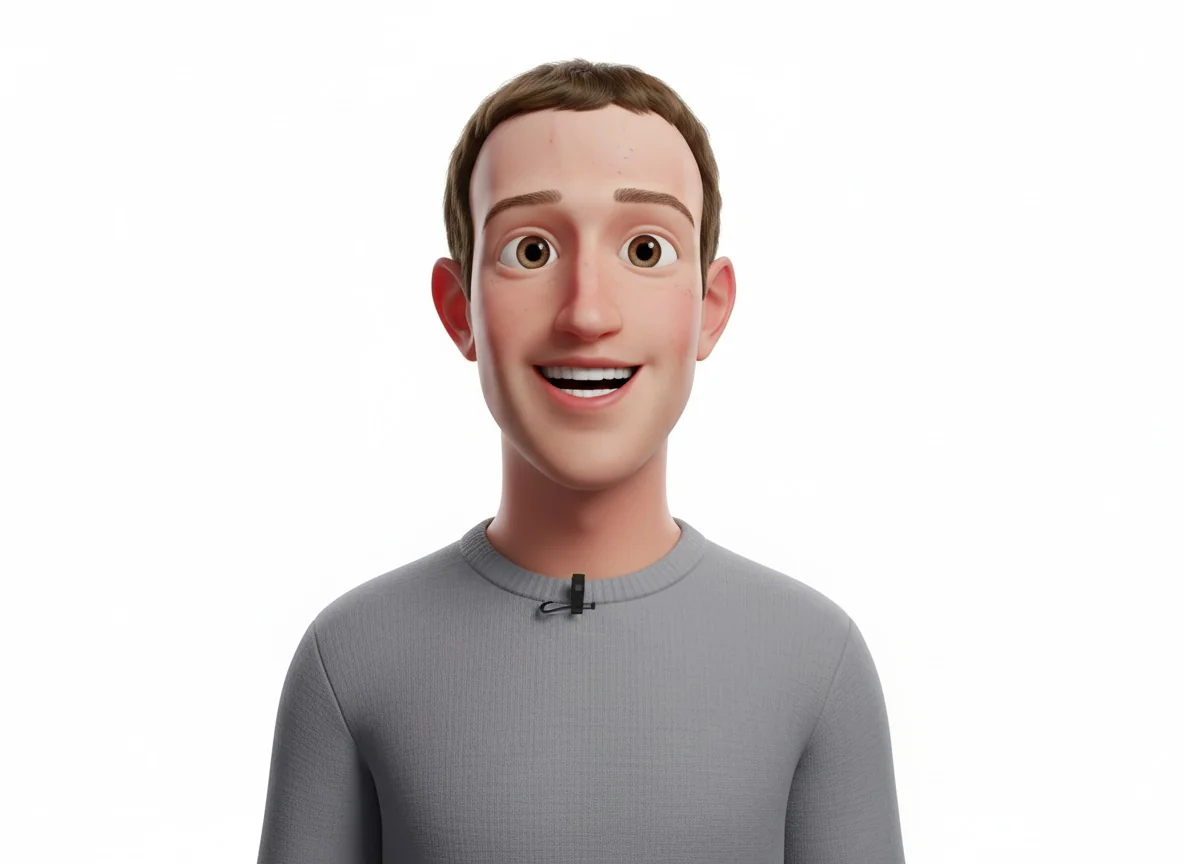
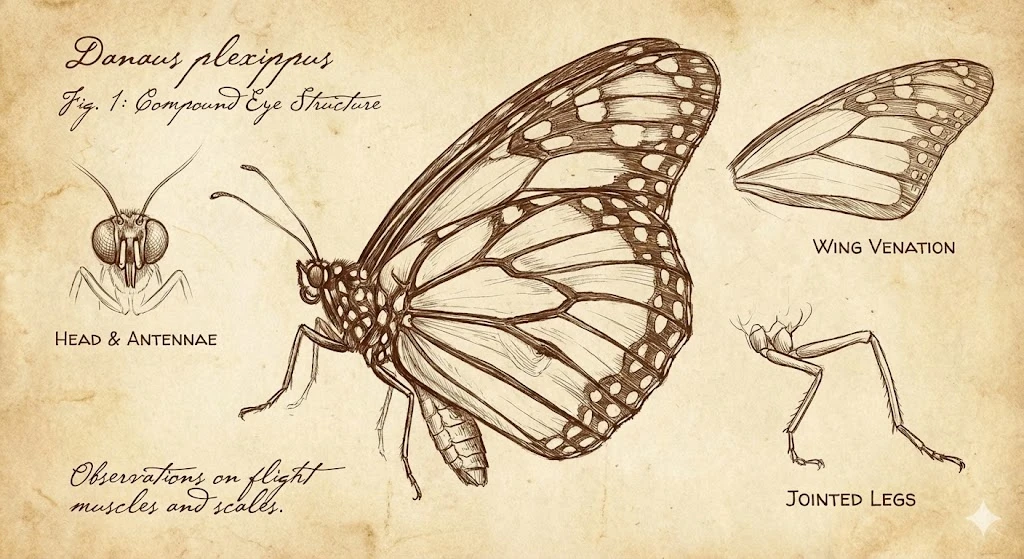
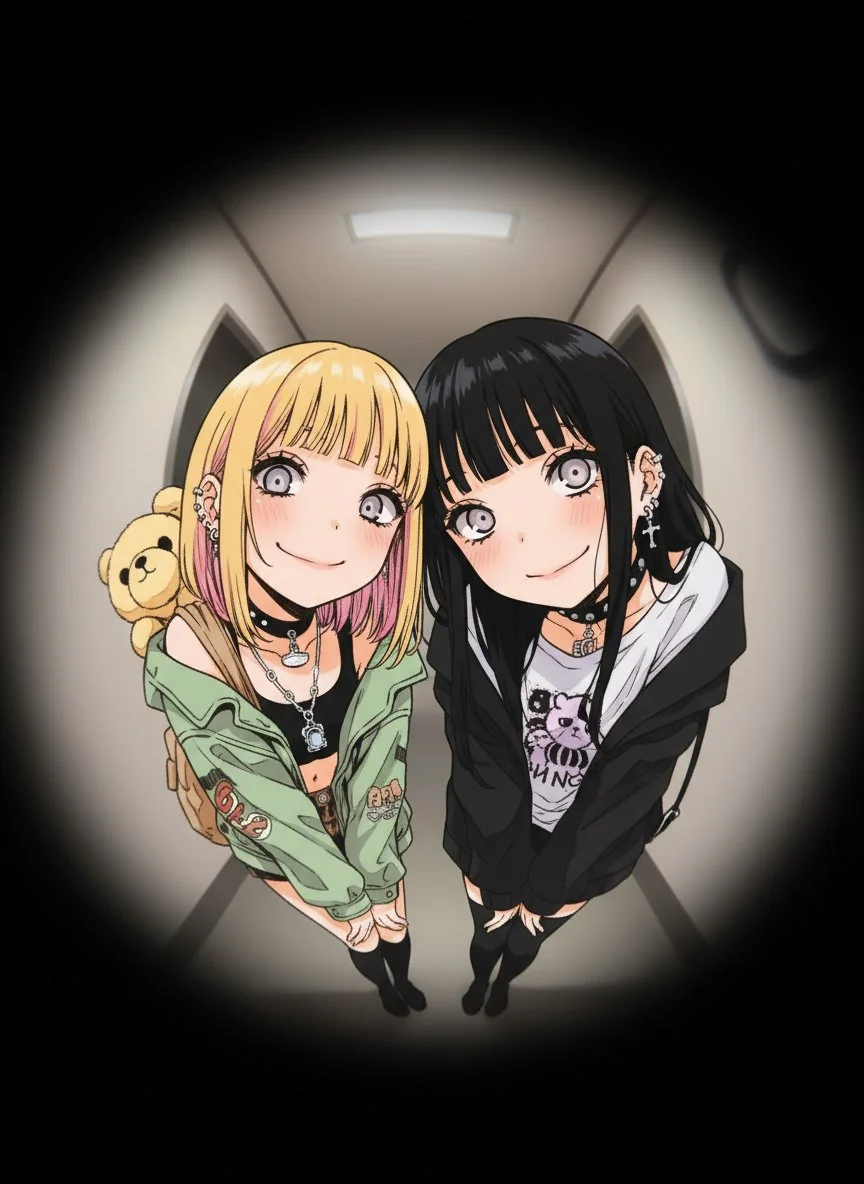
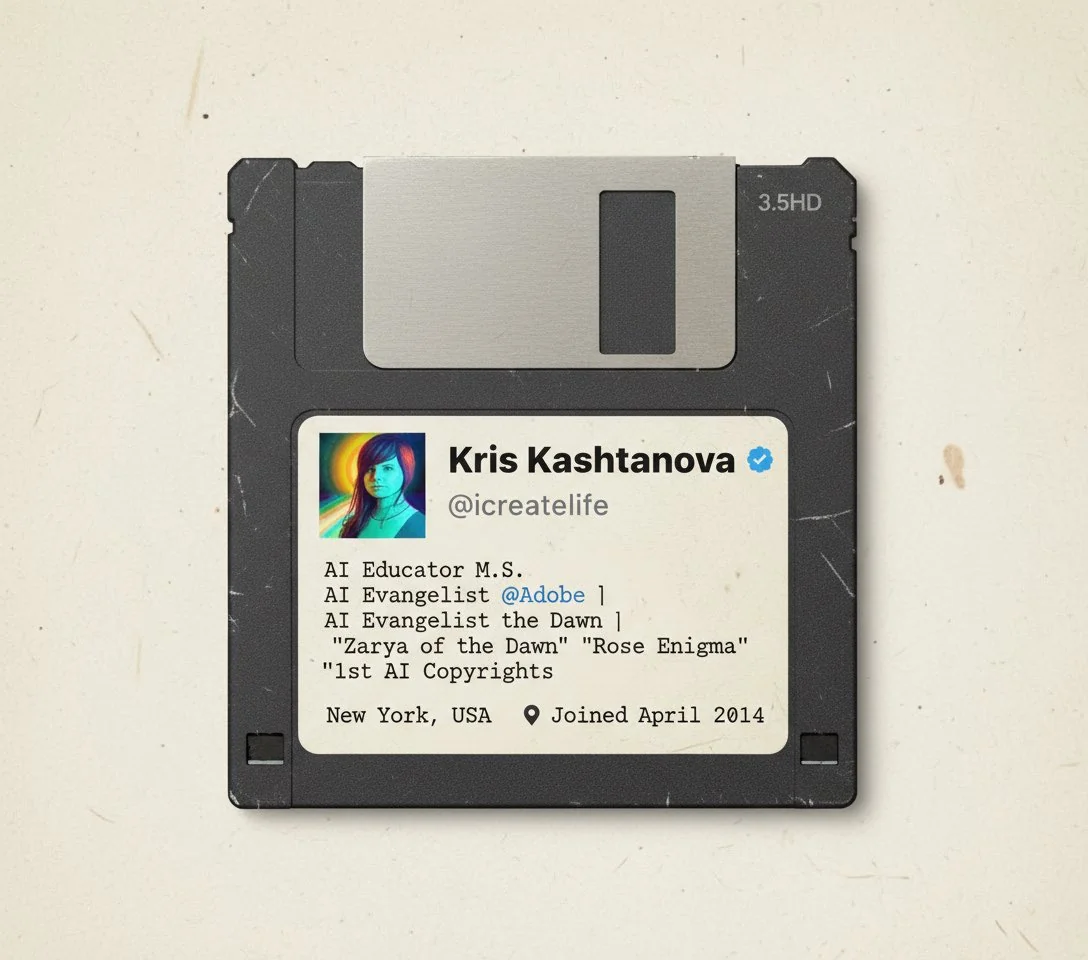
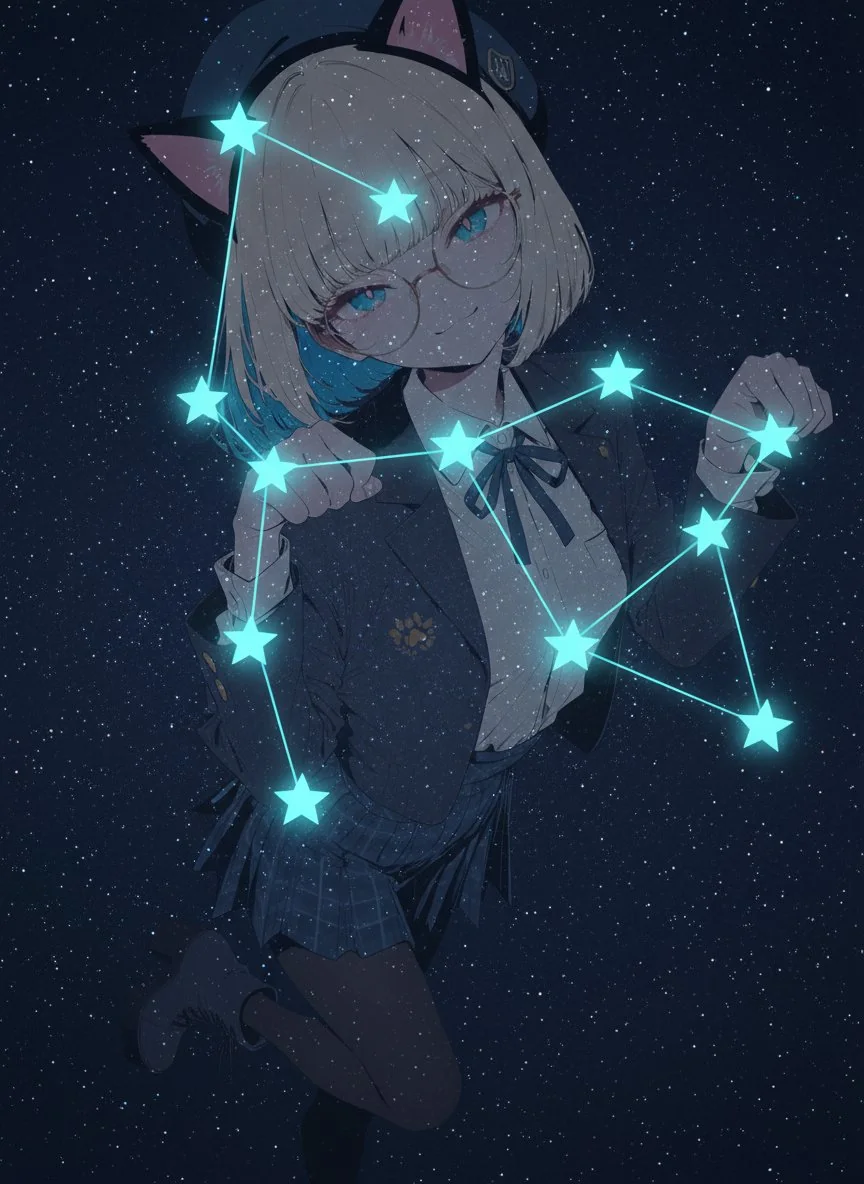
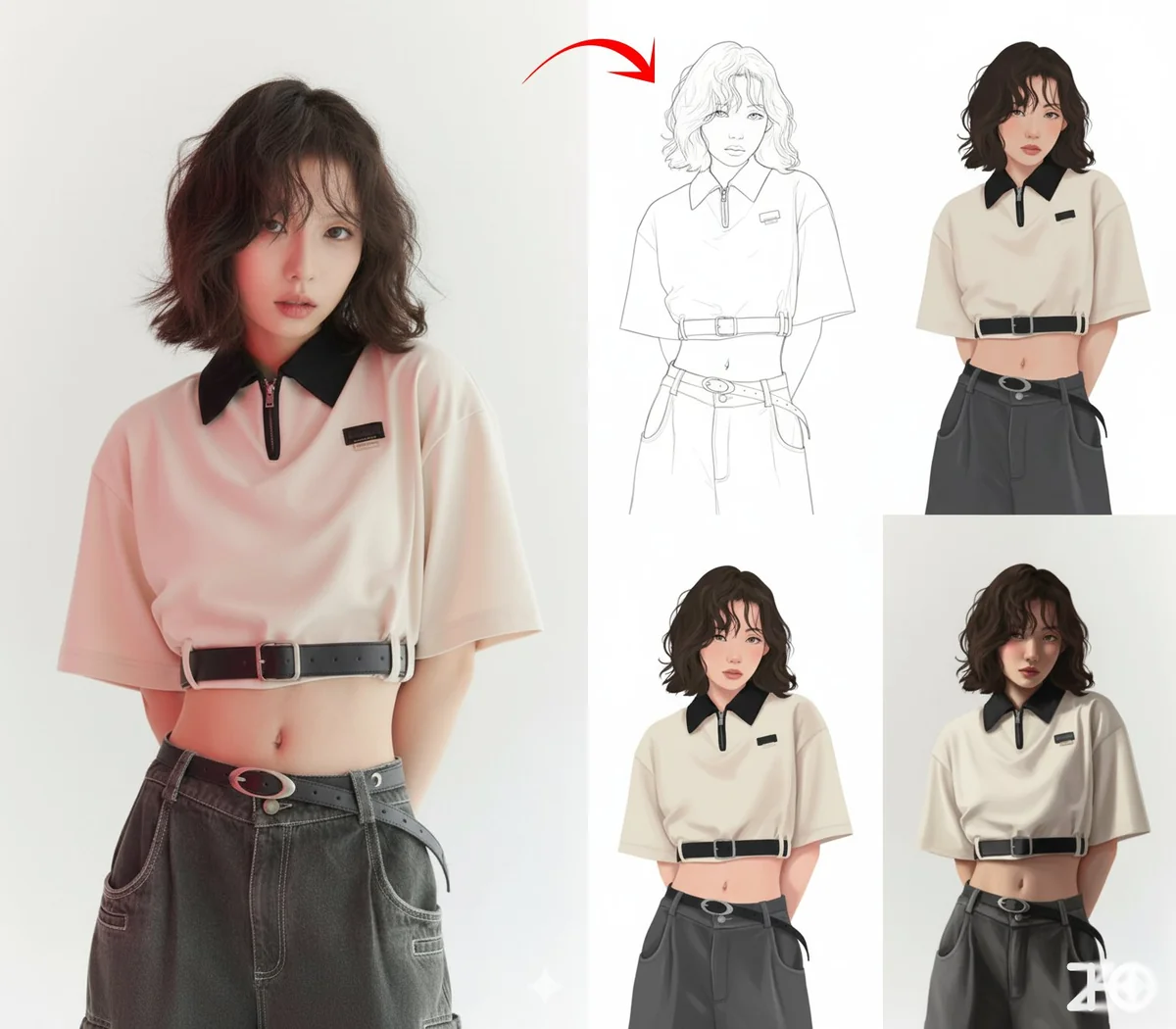
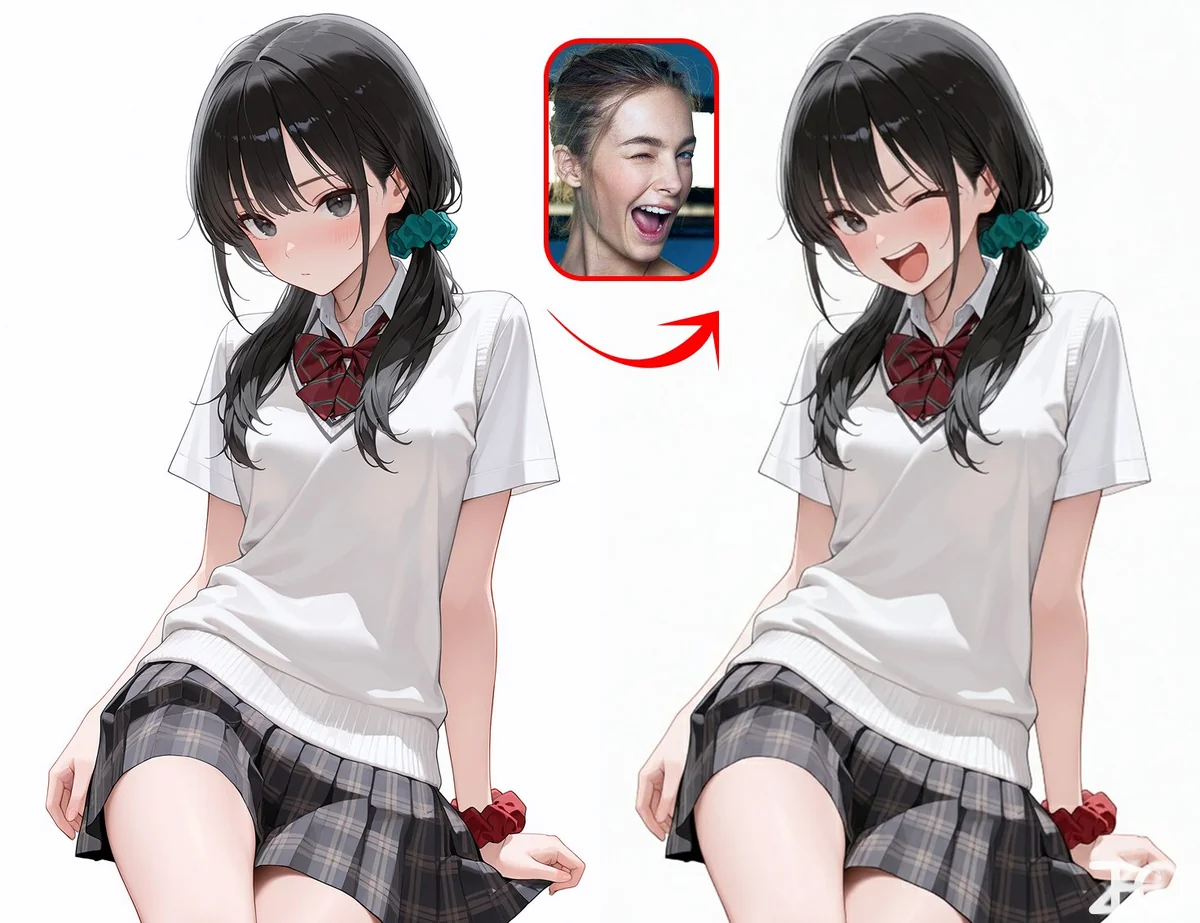
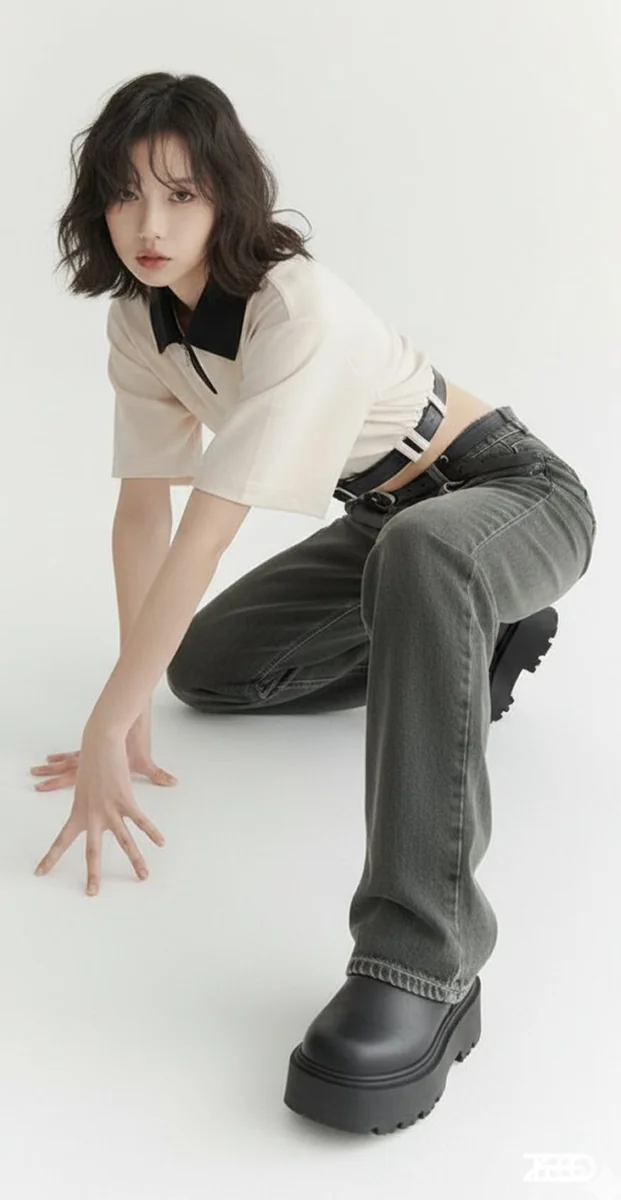
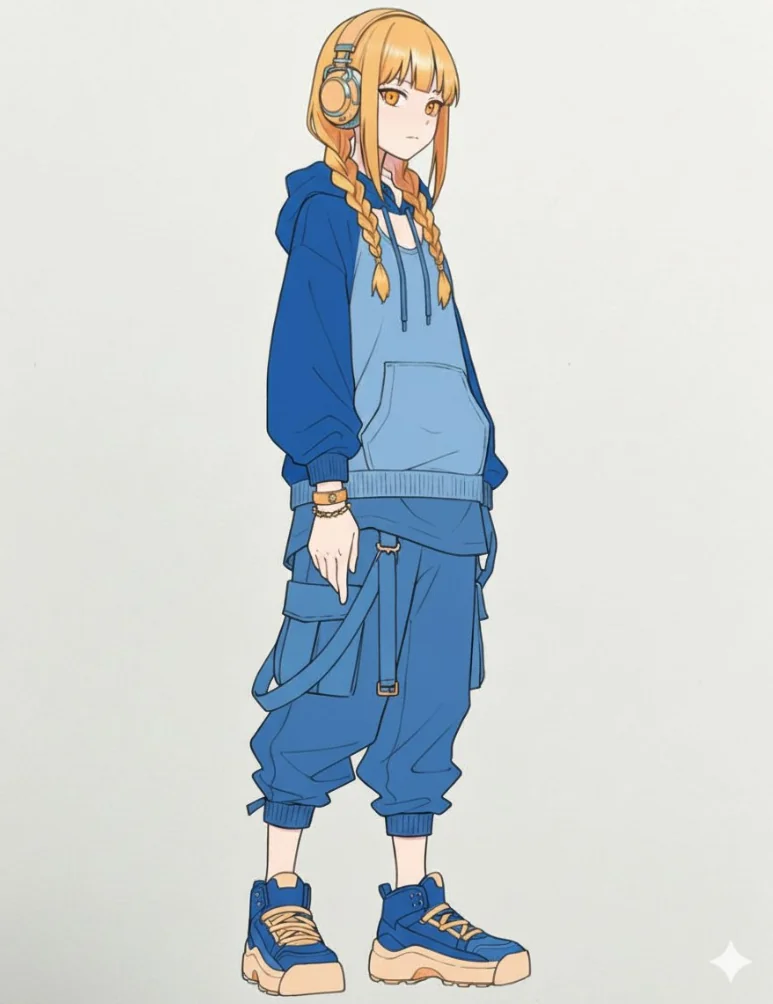
I've tried a lot of artistic-style prompts over the past few months, and this collection has 27 that actually work. What I like about these is that they're not just random text - each one has been tested, and you can see the results right here.
The thing about artistic-style prompts is that small changes make a big difference. I'll grab one of these, copy it into my tool, then start tweaking. Maybe I change the lighting, swap a color, or adjust the composition. That's how I get results that match what I'm actually trying to create.
How I Actually Use These
- I scroll through and look at the example images first. If something catches my eye, I click to see the full prompt. The images tell me way more than the titles do.
- Once I find something interesting, I copy the prompt text. Then I paste it into whatever tool I'm using - usually Midjourney or Stable Diffusion.
- Here's the important part: I almost never use prompts exactly as-is. I'll change the subject, adjust colors, modify the style slightly. The prompt is a starting point, not the finish line.
You Might Also Like
Where These Prompts Actually Get Used
I've seen people use artistic-style prompts for all kinds of things:
- Content creators on Instagram and TikTok use them to make posts that get more engagement. The key is finding prompts that match your brand's vibe.
- Freelance designers I know use these as a base for client work. They'll grab a prompt, generate a few variations, then refine the best one in Photoshop or Figma.
- Artists and hobbyists experiment with them just to see what happens. Sometimes the best results come from prompts you wouldn't expect to work.
What I Learned the Hard Way
- The example images are everything. If a prompt doesn't have good examples, I usually skip it. Life's too short to waste time on prompts that don't deliver.
- Mixing prompts works better than you'd think. I'll take the lighting from one prompt, the style from another, and the composition from a third. The results are often more interesting than any single prompt.
- I keep a simple spreadsheet of prompts that work well for me. Just the title, what I used it for, and maybe a note about what I changed. It saves me time when I need something similar later.
Questions I Get Asked
Why are the results so different even with the same category?
Because is pretty broad, honestly. One prompt might focus on a specific style, while another emphasizes composition or mood. That's actually good - it means you have options. Find the one that matches what you're going for.
How many tries does it usually take?
Depends on what you're doing. Simple stuff? Maybe one or two tries. Complex compositions? Could be five or six iterations before I get something I like. The trick is not giving up after the first attempt.
Mistakes I Made (So You Don't Have To)
I've made plenty of mistakes with prompts. Here are the big ones:
- Copying prompts exactly without understanding what each part does. Now I read through prompts carefully and modify them based on what I actually need.
- Giving up too quickly. Sometimes a prompt needs a few tweaks before it works. I used to abandon prompts after one bad result, but now I give them at least three tries.
- Ignoring the example images. If the examples look off, the prompt probably needs work. I learned to trust my eyes on this one.